
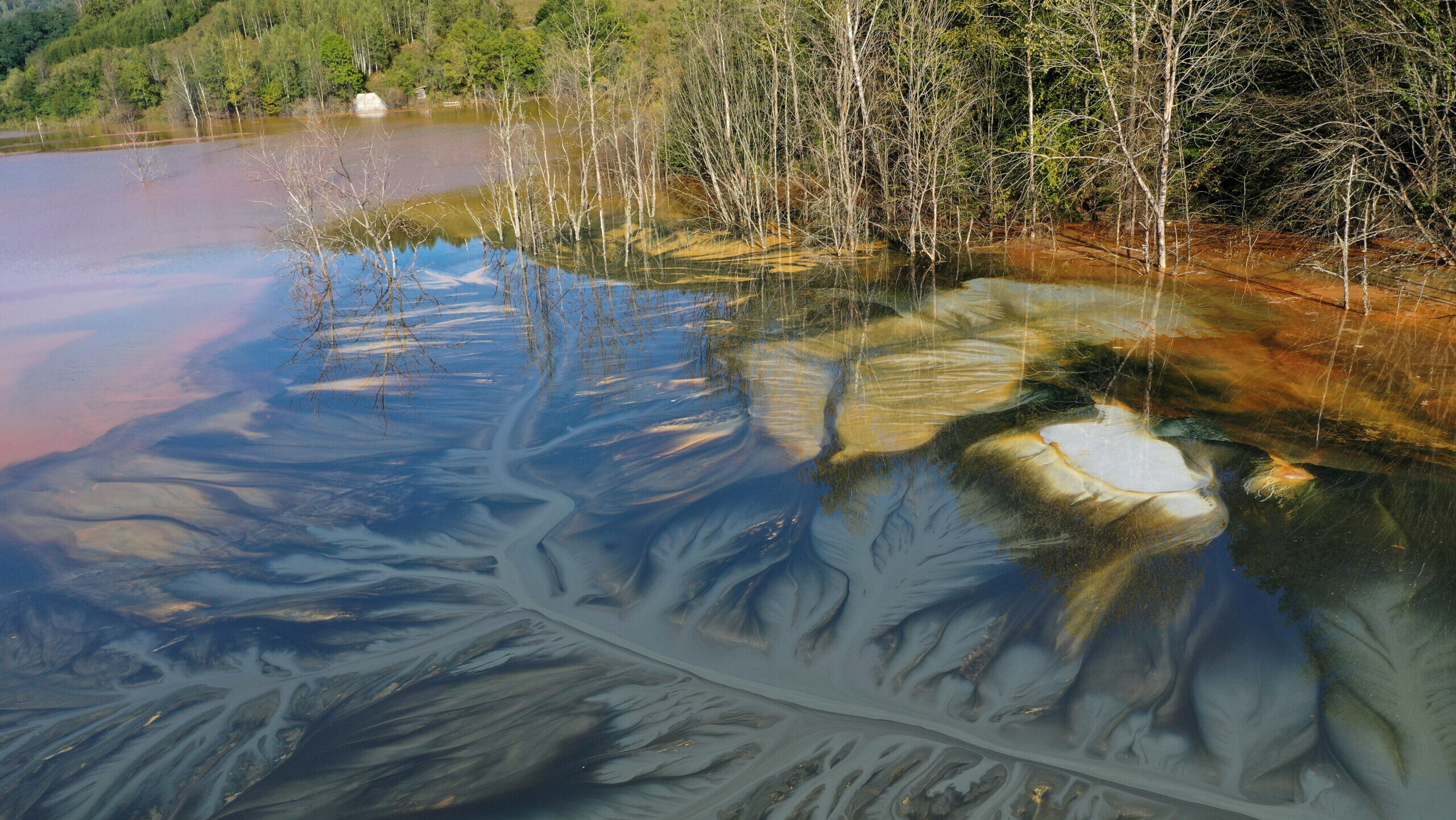
Nitrate pollution is a growing global environmental challenge, driven largely by the extensive use of synthetic and organic fertilisers. A study published in Science and with the participation of the Helmholtz Centre for Environmental Research (UFZ), shows that both the amount of water moving through landscapes and the speed at which it moves influence nitrogen pollution risks.
The researchers found that extreme acceleration or deceleration of the water cycle can increase nitrogen leaching. During wetter periods, faster water movement can transport nitrogen rapidly into groundwater, rivers and other water bodies before natural processes have time to remove it. During prolonged dry conditions, reduced plant and microbial activity can allow nitrogen to accumulate in soils before being released during subsequent heavy rainfall.
Even though nitrate leaching is not the main cause of DBP formation, the IntoDBP project primarily examines dissolved organic matter and other substances that can react with disinfectants to form DBPs. Meaning that both areas of research show that climate-driven changes in catchments can influence the quality of water reaching drinking-water treatment plants.
The findings support the IntoDBP research because these:
- Show that climate change affects water quality as well as water availability.
- Demonstrate how droughts, heavy rainfall and changes in water movement can alter the transport and accumulation of pollutants.
- Help identify vulnerable regions, particularly parts of Southern and Eastern Europe where nitrate pollution risks could increase under a high-emissions scenario.
- Highlight the importance of protecting drinking-water sources before pollutants reach treatment facilities.
These findings underline why drinking-water safety must begin at the catchment level. By demonstrating how climate-driven changes in water movement can alter pollution risks, the study reinforces intoDBP’s efforts to anticipate future changes in source-water quality and develop more resilient monitoring, protection and treatment strategies.