
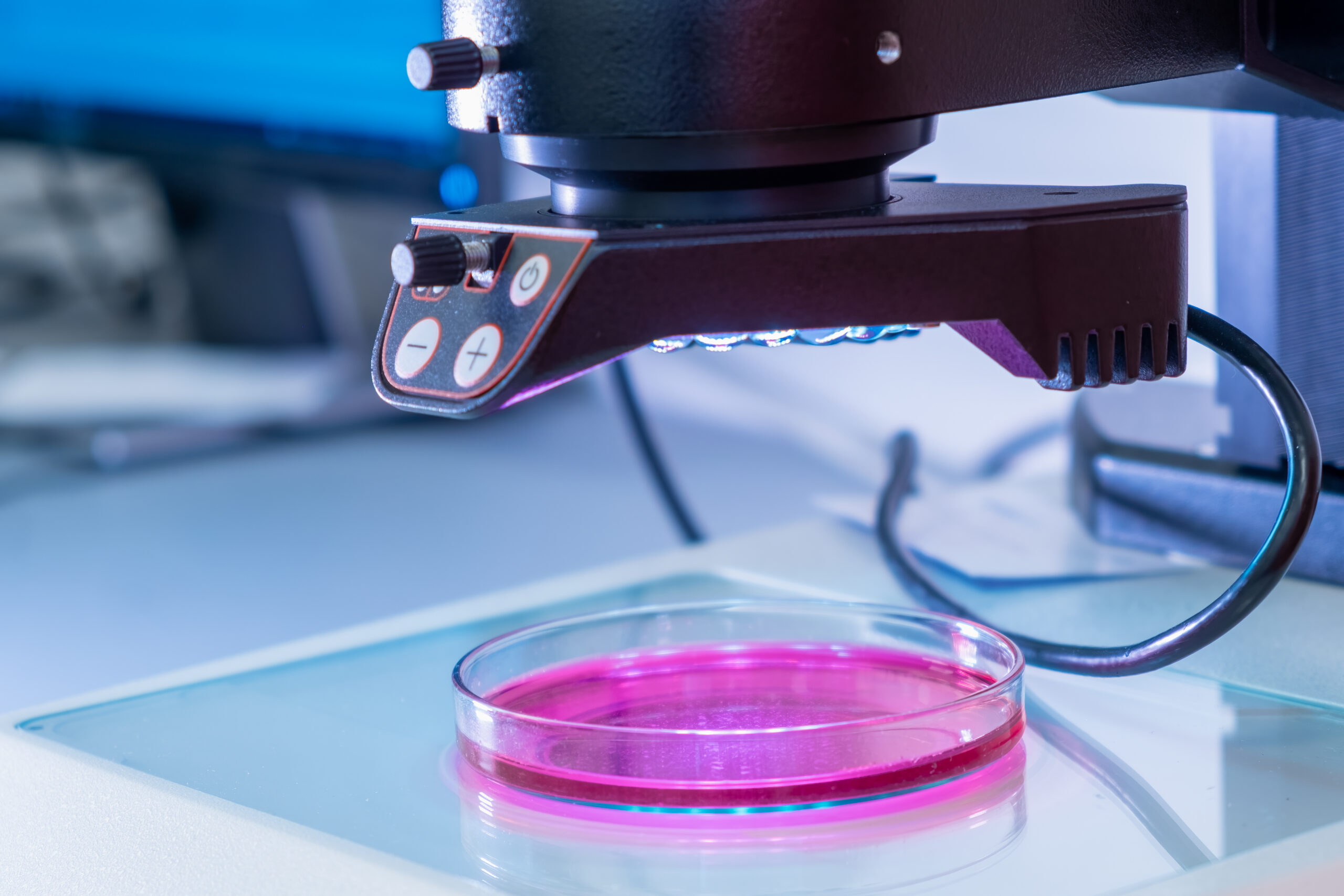
A new study developed within the intoDBP project introduces an innovative monitoring approach designed to support the simultaneous control of microbial inactivation and disinfection by-product formation in drinking water treatment plants.
Published in the Journal of Environmental Chemical Engineering, the research, titled “Simultaneous control of microbial inactivation and DBPs formation using differential absorbance as a surrogate performance parameter,” investigates how differential absorbance near 272 nm, known as ΔA272, can be used as a practical indicator of treatment performance.
Drinking water disinfection must achieve two critical objectives: effectively inactivating microorganisms while keeping disinfection by-products within safe regulatory limits. Managing both aspects simultaneously can be technically complex and resource-intensive.
The study proposes ΔA272 as a surrogate parameter capable of providing information on both processes at the same time.
Researchers analysed water from an Italian drinking water plant under different chlorination conditions, varying disinfectant doses, contact times and temperatures. The results showed strong correlations between ΔA272 and microbial inactivation across all tested conditions.
By comparing these relationships with DBP formation, the researchers were able to identify specific ΔA272 threshold values associated with both effective microbial inactivation and compliance with DBP regulatory limits.
These thresholds could support operators in identifying optimal treatment conditions and provide an additional early-warning indicator for water treatment plant control systems.
The approach may also help treatment plants respond more effectively to seasonal changes in source water quality, supporting more reliable and sustainable process management.
The study was carried out by Luca Baccini, Mingquan Yan, Federico G.A. Vagliasindi, Gregory V. Korshin and Paolo Roccaro.
The findings contribute to intoDBP’s work on developing innovative monitoring and control solutions capable of supporting safe, high-quality drinking water while reducing the risks associated with disinfection by-products.
Read the full open-access publication here.