
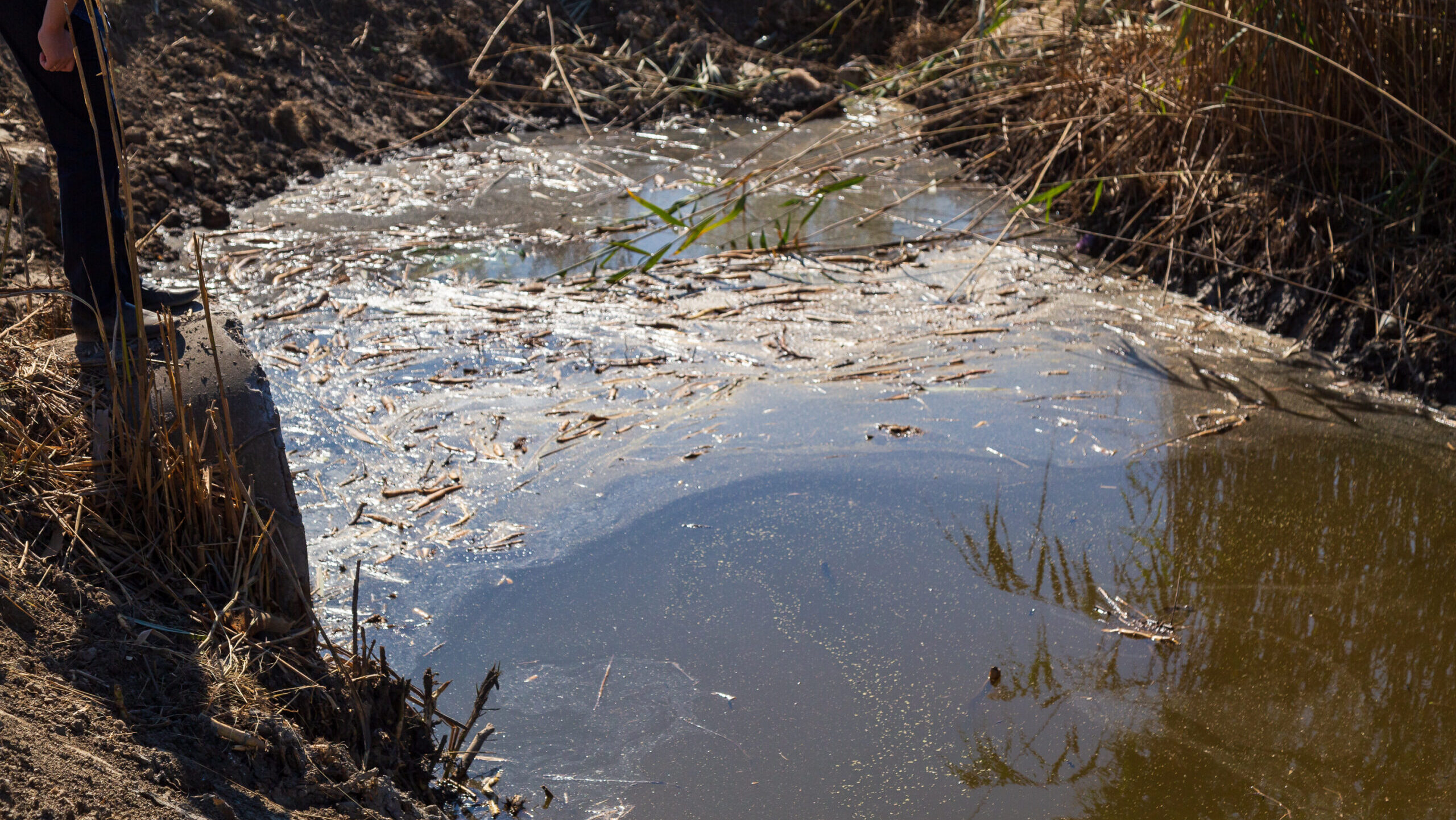
Protecting natural ecosystems is an important part of protecting water. Peatlands and coastal lagoons are among Europe’s most valuable yet threatened ecosystems. These store carbon, regulate floods, help purify water and support rich biodiversity.
However, decades of drainage, land-use change, pollution and climate change have contributed to their decline. This degradation is rarely caused by one factor. Different pressures can interact to create an environmental damage that is difficult to identify and reverse without reliable information.
Protecting water and the ecosystems that support it is essential because we need water for:
- Food security: Water scarcity, pollution and overuse can affect food production, availability and prices.
- Energy security: Energy production depends on reliable water supplies, while the transition to cleaner energy must also consider its effects on water resources.
- Health: Clean, safe and affordable water is essential for protecting public health.
- Nature: Healthy ecosystems require clean water and can help reduce the effects of climate change, drought and flooding.
These connections demonstrate that drinking-water protection cannot depend solely on removing contamination at the treatment plant. Preventing pollution and monitoring changes in water quality are also necessary. IntoDBP focuses specifically on organic matter and the unwanted substances that can form when water is disinfected. It combines the protection and monitoring of water sources with forecasting and improvements to drinking-water treatment.
By monitoring these sources and exploring possible protection measures, IntoDBP is helping to understand how risks can be managed before water reaches treatment plants. The project reinforces the principle that effective drinking-water protection begins with preventing pollution and understanding changing conditions at the source.