
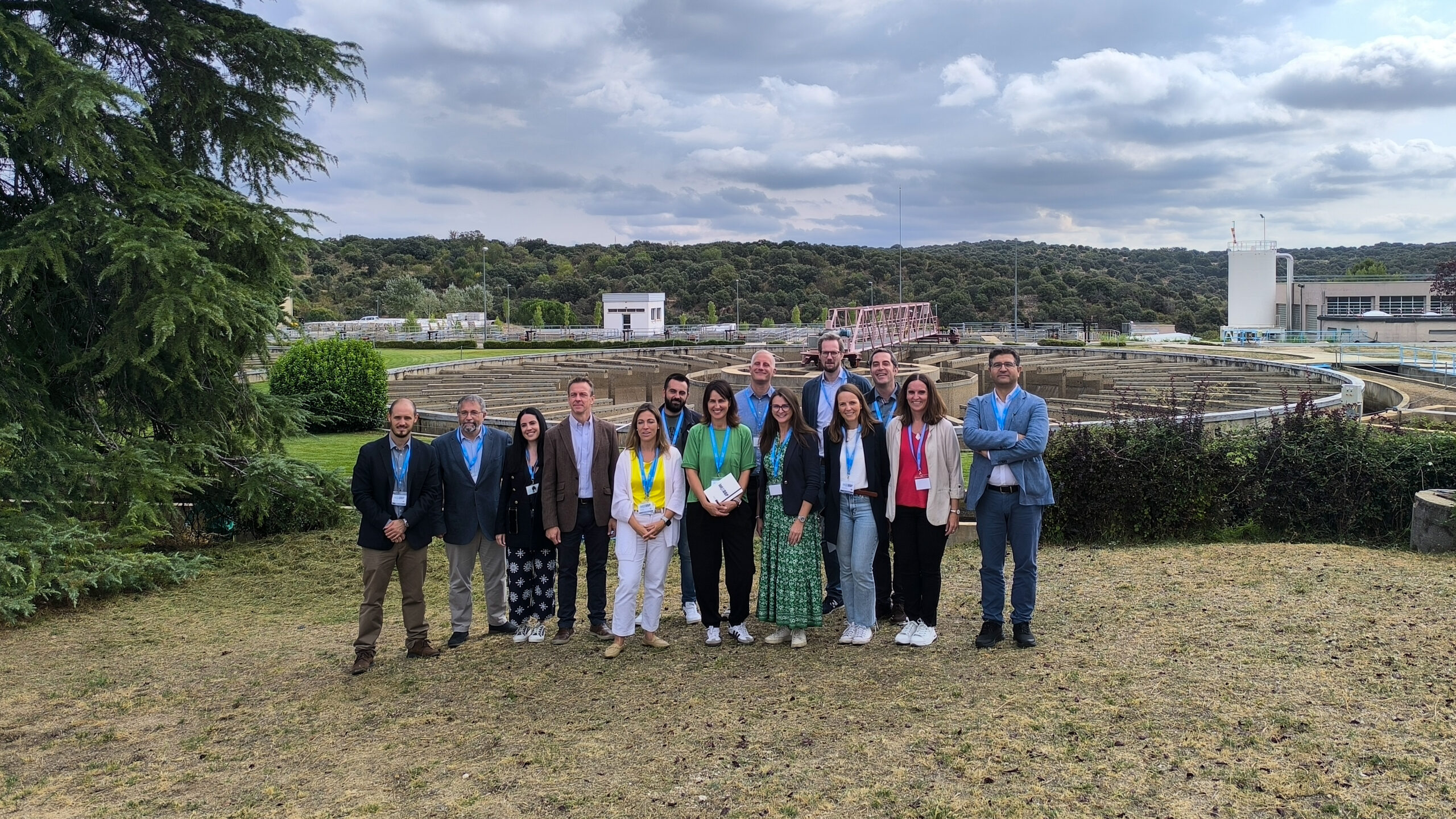
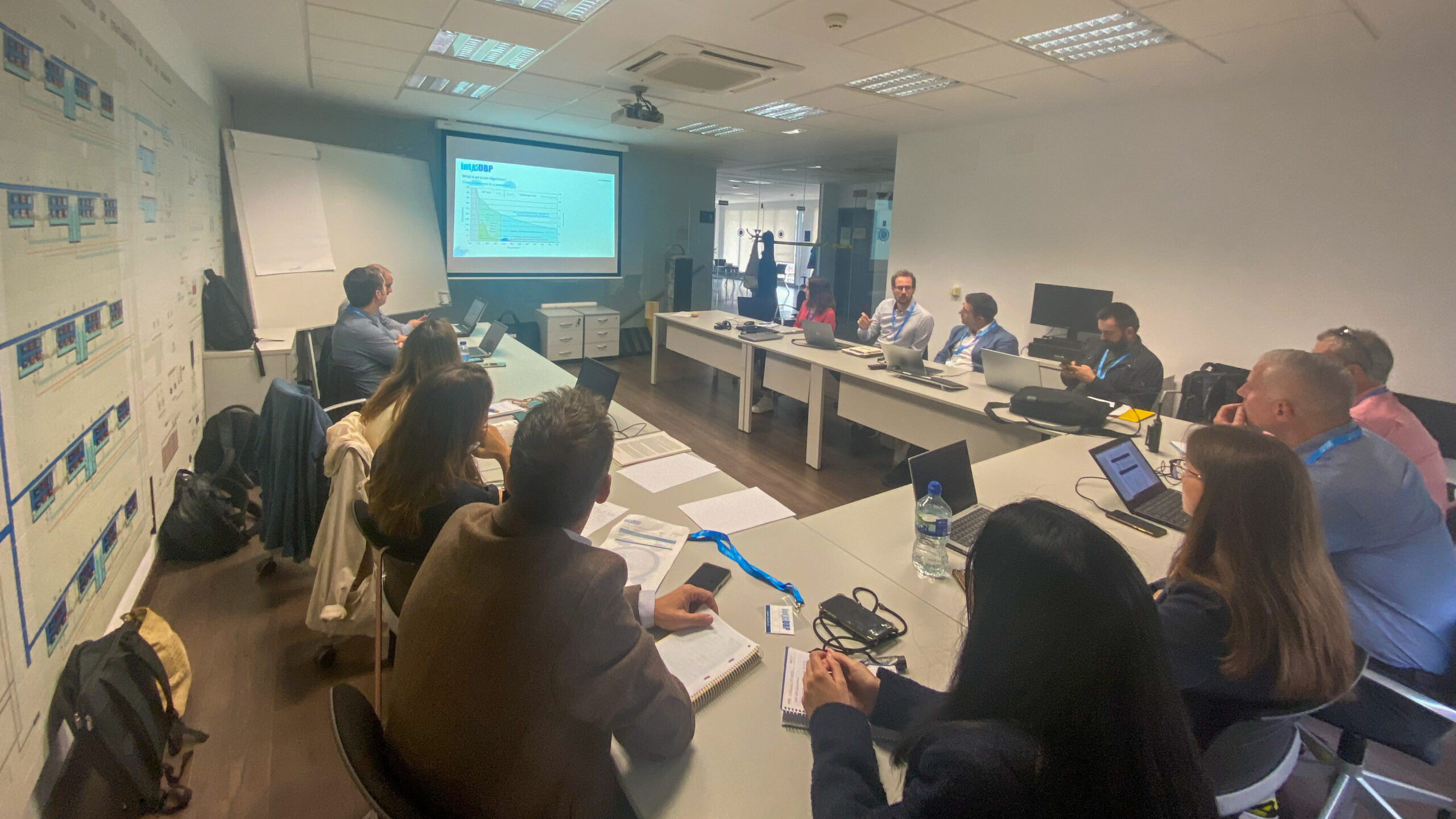
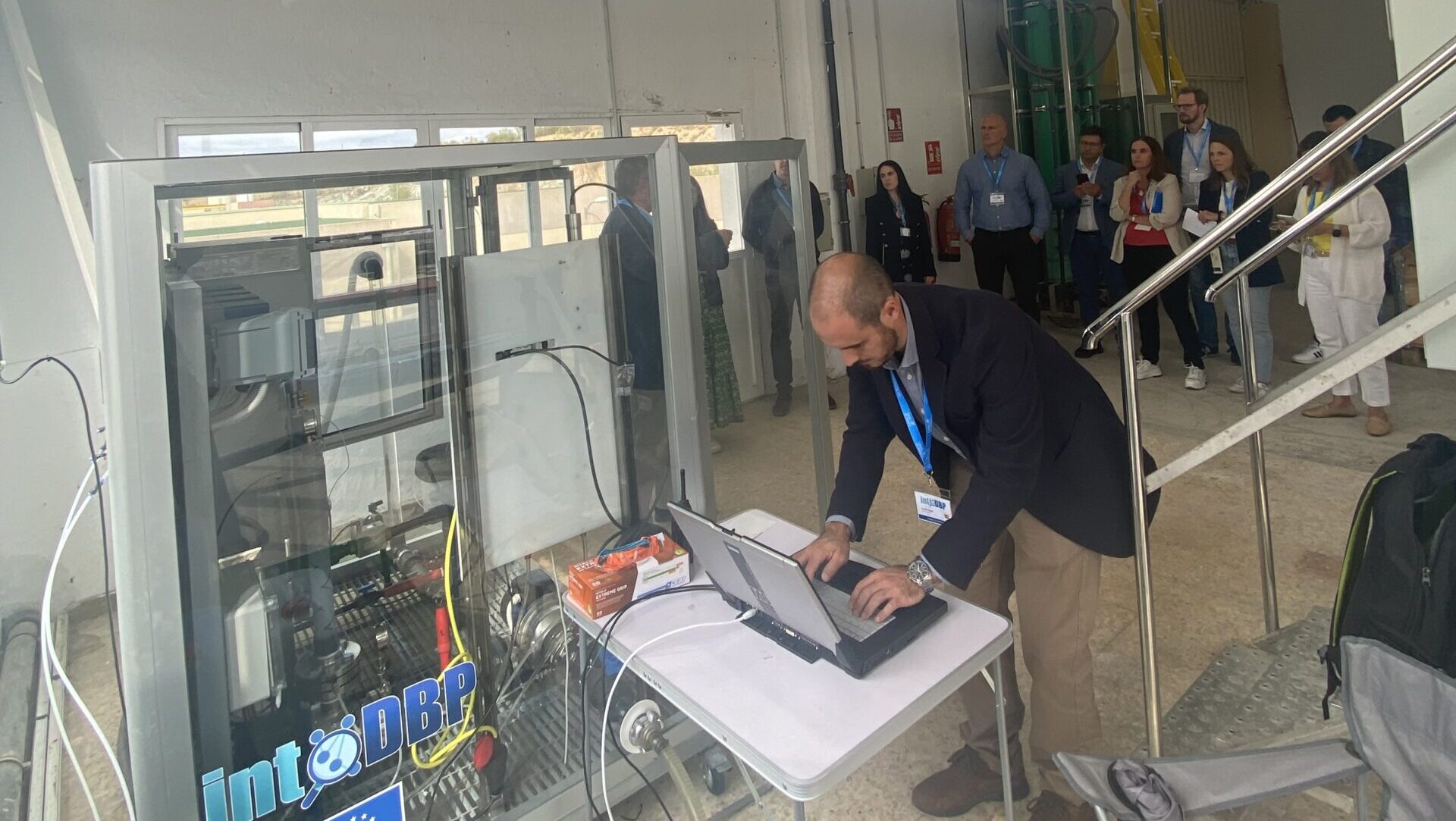
On the 19th of September 2024, the Project Officer and an Expert visited the intoDBP case study in Madrid as part of the ongoing project monitoring for the consortium. The review aimed to comprehensively evaluate the project activities carried out thus far.
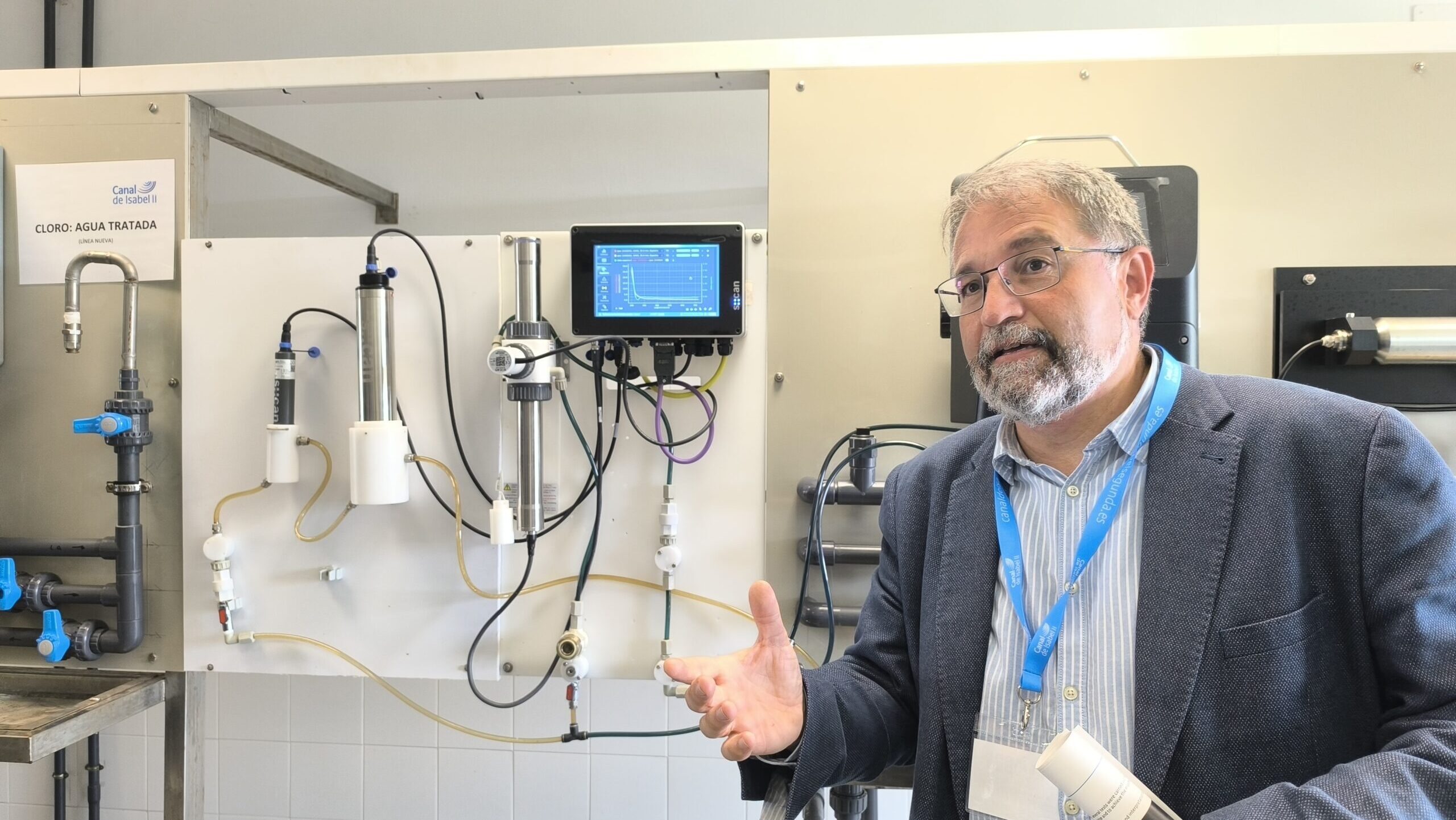
During the visit, the team showcased the innovative MITO3X system, along with advanced sensors designed to control monochloramine formation during disinfection processes. The representatives were also briefed on the significant advancements made in developing algorithms for predicting Disinfection By-Product (DBP) formation in drinking water networks using UV fingerprinting technology.
Canal Isabel II relies on chloramines to ensure drinking water is safe in the Community of Madrid, with a population of 7 million people. Formation of chloramines needs to be very well controlled in order to obtain monochloramine and avoid the presence of dichloramine specie. Canal Isabel II is using the spectro::lyser and ammo::lyser probe together with con::cube from Badger Meter to keep close and real-time control of their disinfection process at one of their DWTPs. This was an interesting application was shared among partners of intoDBP Project.
The visit provided a valuable opportunity for the Project Officer and Expert to gain first-hand insight into the project’s progress, challenges, and achievements. It underscored the consortium’s commitment to advancing water quality monitoring technologies and their potential impact on public health and safety.
Moving forward, the intoDBP consortium will continue to refine its systems and methodologies, ensuring the project’s objectives are met and its benefits are maximised.
You can learn more about the CS3 on the official webpage. To discover more about intoDBP, watch the project video.